A few years ago, humanoid robots were the stuff of Hollywood movies and overhyped tech demos. Today, they’re showing up in real warehouses, hospitals, and factories — and a few of them are even doing the dishes (or at least trying to). So what exactly are humanoid robots, how do they work, and why is 2026 suddenly their moment? Let’s break it down.
What Are Humanoid Robots?
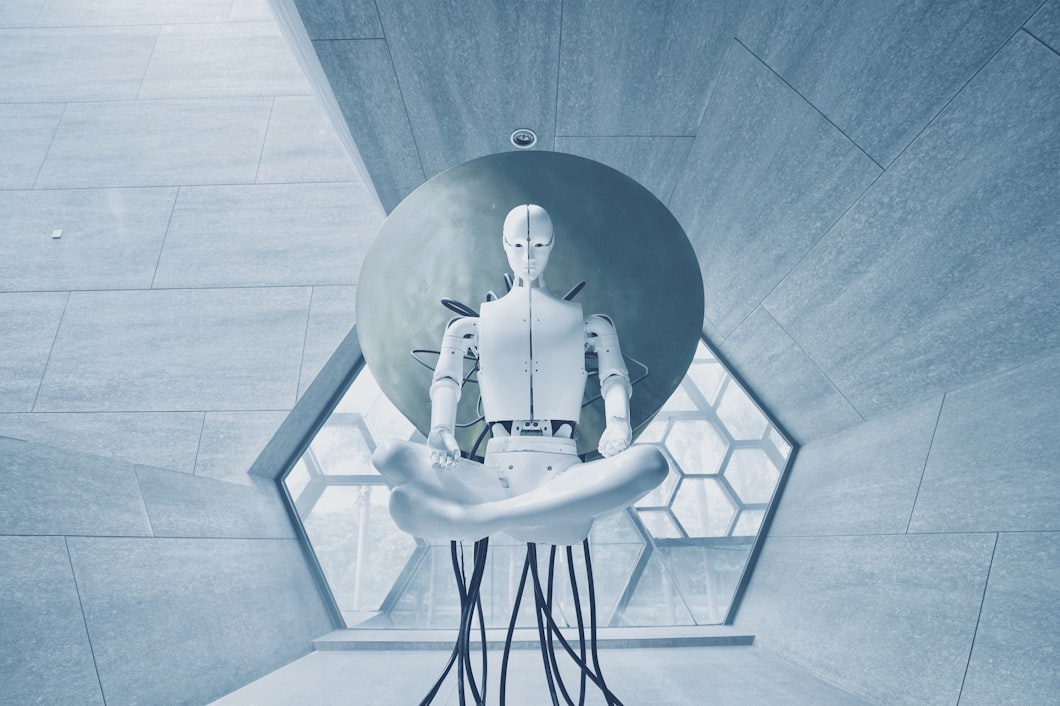
Humanoid robots are machines designed to resemble and replicate the human body — two legs, two arms, a torso, and usually a head. Unlike industrial robots that are bolted to a floor and do one thing on repeat, humanoid robots are built to move through human environments, use human tools, and ideally perform human tasks without needing everything around them redesigned.
The key word here is general purpose. A robotic arm on a car assembly line is amazing at one specific job. A humanoid robot is meant to be useful across many different tasks — carrying boxes, flipping switches, navigating stairs, or handing you a tool. That versatility is the whole point, and it’s also what makes them so difficult to build.
How Do Humanoid Robots Actually Work?
Modern humanoid robots are powered by a combination of hardware and AI software working together in real time. Here’s what’s under the hood:
1. Physical Hardware
The body of a humanoid robot includes motors and actuators (which function like muscles), sensors for touch, balance, and proximity, cameras for vision, and a battery system for power. Building legs and hands that can do what human limbs do is genuinely hard — our biology took millions of years of evolution to get here.
2. Computer Vision
Robots need to see and understand the world around them in real time. They use cameras and depth sensors to detect objects, navigate spaces, and avoid collisions. This is handled by AI models trained on millions of visual examples.
3. AI and Reasoning
The big leap in recent years has been giving robots actual intelligence — not just pre-programmed instructions. Modern robots use large language models and AI reasoning models to understand spoken commands, plan sequences of actions, and adapt when things go wrong. Ask a robot to “put the red box on the shelf” and it needs to figure out which box is red, where the shelf is, how to pick up the box without crushing it, and how to get there without knocking anything over.
4. Physical AI
This is a newer and very exciting area. Physical AI refers to AI systems trained not just on text and images, but on real-world physics — how things feel, move, fall, and interact. NVIDIA’s Isaac platform and similar tools are helping robots train in simulated environments before they ever touch a real object.
Who’s Building Humanoid Robots Right Now?
The race to build usable humanoid robots is very real, and some seriously well-funded companies are in it:
- Tesla Optimus — Elon Musk’s humanoid robot project has been moving faster than most expected. Tesla claims Optimus is already performing tasks inside its own factories, though the full timeline for commercial availability is still fuzzy.
- Figure AI — A startup backed by Microsoft, OpenAI, and NVIDIA, Figure’s robots have demonstrated impressive capabilities including having natural conversations with people while performing physical tasks.
- Boston Dynamics (Atlas) — The company famous for its backflipping robots has been developing Atlas for years. Their electric Atlas robot is far more capable and commercially viable than earlier versions.
- 1X Technologies — Backed by OpenAI, this Norwegian startup is focused on humanoid robots for real work environments, not just demos.
- Agility Robotics (Digit) — Already deployed in Amazon warehouses, Digit is one of the first humanoid robots doing actual commercial work at scale.
What Can Humanoid Robots Actually Do Today?
Here’s where it gets interesting — and honest. Humanoid robots are impressive, but they’re still early-stage. Here’s a realistic picture of where things stand in 2026:
What they’re doing well:
- Carrying and sorting items in controlled warehouse environments
- Walking over uneven surfaces and navigating obstacles
- Following verbal instructions for simple multi-step tasks
- Operating in spaces designed for humans (using existing doors, shelves, carts)
What’s still challenging:
- Delicate manipulation — picking up an egg without breaking it is still hard
- Working in completely unknown, messy environments
- Battery life (most robots need frequent recharging)
- Cost — a commercial humanoid robot can cost anywhere from $20,000 to over $200,000
Why Are Humanoid Robots a Big Deal in 2026?
Several trends are coming together at once to make this the breakout moment for humanoid robots:
1. AI has gotten dramatically better. The same large language models that power chatbots are now being used to give robots language understanding and reasoning. Agentic AI — AI that can plan and execute multi-step actions — is a perfect fit for robotic control.
2. The labor shortage is real. Many industries, especially logistics, manufacturing, and elder care, are struggling to find workers. Humanoid robots that can work around the clock without breaks are genuinely attractive to these sectors.
3. Investment has exploded. According to Goldman Sachs research, the humanoid robot market could reach $38 billion by 2035. That kind of money is accelerating development fast.
4. Simulation training works. Companies are now training robots in virtual environments with millions of simulated hours of experience before the robot ever enters the real world. This dramatically speeds up learning. NVIDIA’s robotics platform has been central to this shift.
Should You Be Worried About Humanoid Robots Taking Jobs?
It’s a fair question, and one that doesn’t have a simple answer. Most experts agree that humanoid robots will first take over the jobs that are dangerous, repetitive, or simply hard to fill — not knowledge work or creative roles. The more realistic near-term concern isn’t that robots will replace everyone overnight, but that companies adopting robots quickly will gain major competitive advantages over those that don’t.
There’s also the economic flip side: robots working in factories and warehouses can lower the cost of goods, potentially making things more affordable. It’s complicated, and the honest answer is that society is going to have to figure this out together as the technology matures.
What’s Next for Humanoid Robots?
The next few years will likely see humanoid robots move from controlled industrial settings into messier real-world environments. Home helper robots — assisting elderly people with daily tasks, for instance — are a major development goal for several companies. The gap between today’s demos and a fully capable household robot is still significant, but it’s shrinking faster than most people expected.
Whether you find this exciting, unsettling, or somewhere in between, humanoid robots are no longer a distant concept. They’ve arrived at work — and they’re learning on the job.